Root Canal Treatment for Kids in Palo Alto
Root canal treatment for children helps treat infection, relieve discomfort, and preserve teeth affected by deep decay or trauma.
Pediatric Root Canal Treatment
When decay or infection reaches the dental pulp, treatment may be needed to prevent it from progressing. Depending on the tooth and extent of infection, treatment may include pediatric pulp therapy, pulpotomy, pulpectomy, or root canal treatment.
Our goal is to treat infection and preserve your child's natural tooth whenever possible. If a baby tooth requires extraction, a space maintainer may be recommended. Root canal or pulp therapy may be considered for:
- Deep tooth decay affecting the dental pulp.
- An infected baby or permanent tooth.
- Persistent tooth pain or sensitivity.
- Dental trauma affecting the tooth's nerve.
- Inflammation or infection within the pulp.
- A tooth that may otherwise require extraction.
Request an Appointment
Other Pediatric Dental Treatments
Along with pediatric pulp therapy, we provide preventive and restorative treatments designed around the oral health needs of children and teens.



Understanding Root Canal and Pulp Therapy
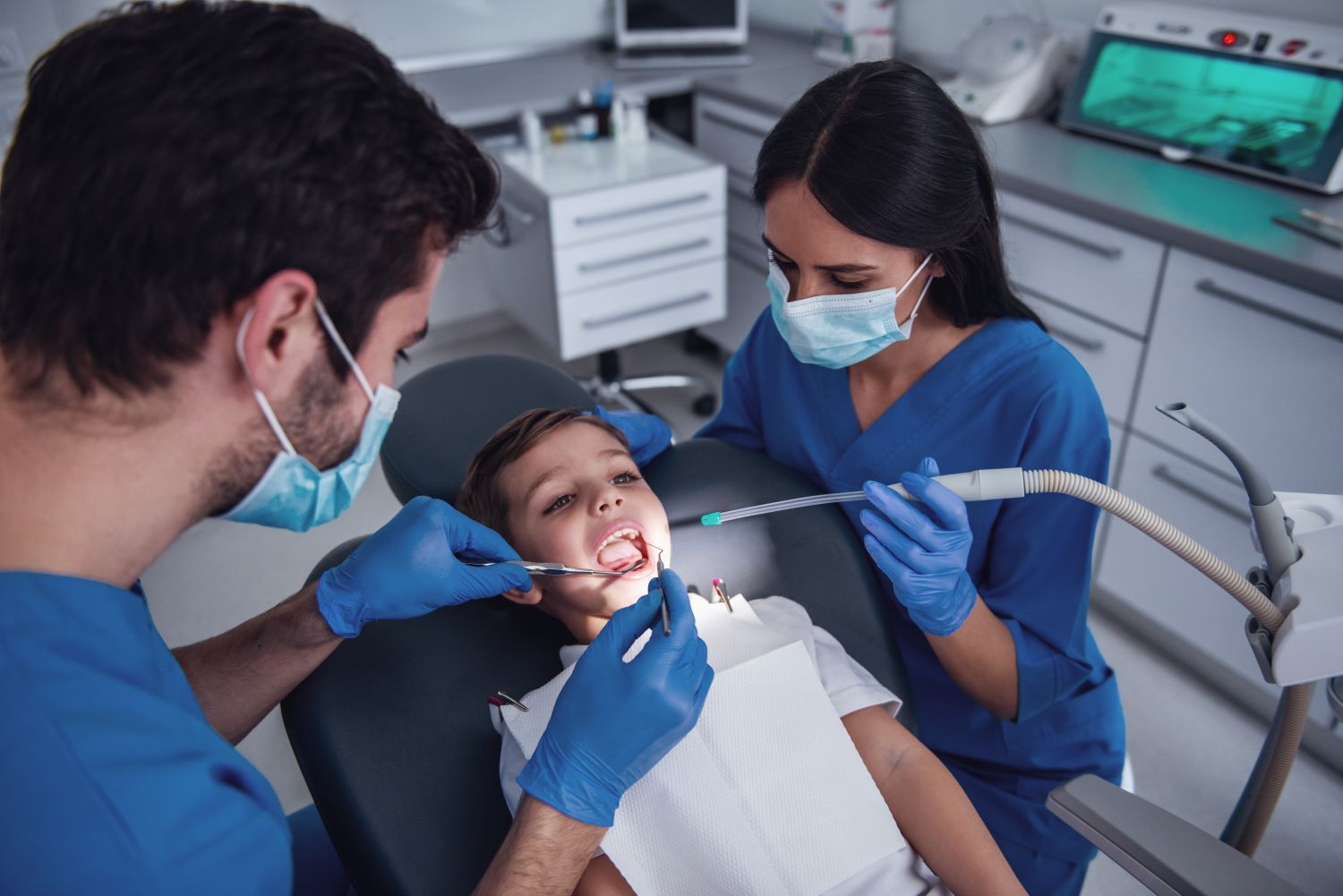
The inside of each tooth contains dental pulp made up of nerves, blood vessels, and connective tissue. When decay, infection, or trauma reaches the pulp, your child may experience pain, sensitivity, or swelling.
For primary teeth, pulp therapy may include a pulpotomy, which removes affected pulp from the crown of the tooth, or a pulpectomy, which treats pulp tissue within the crown and roots.
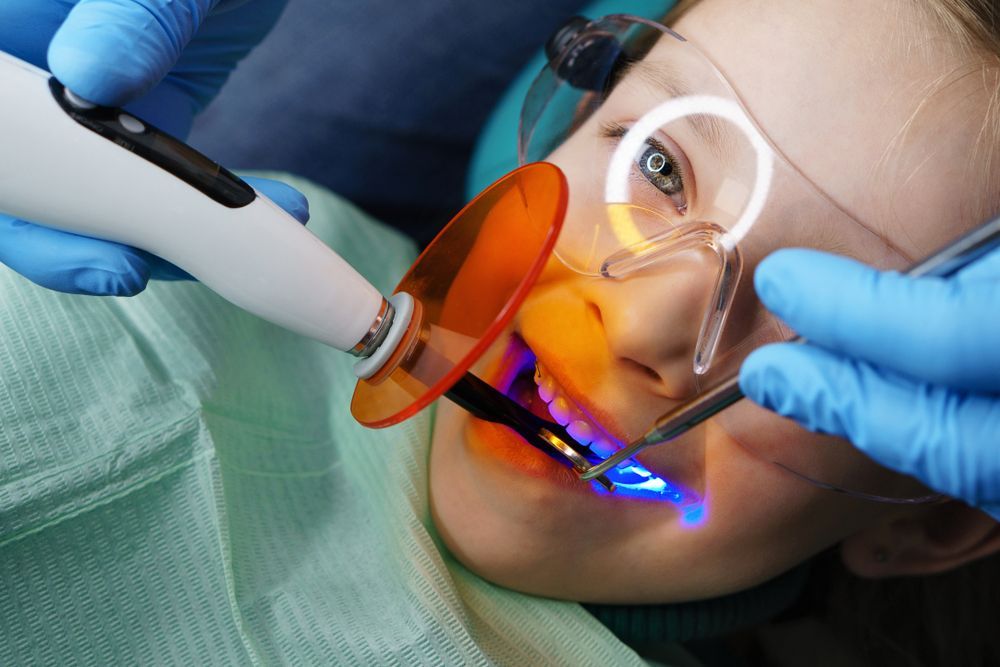
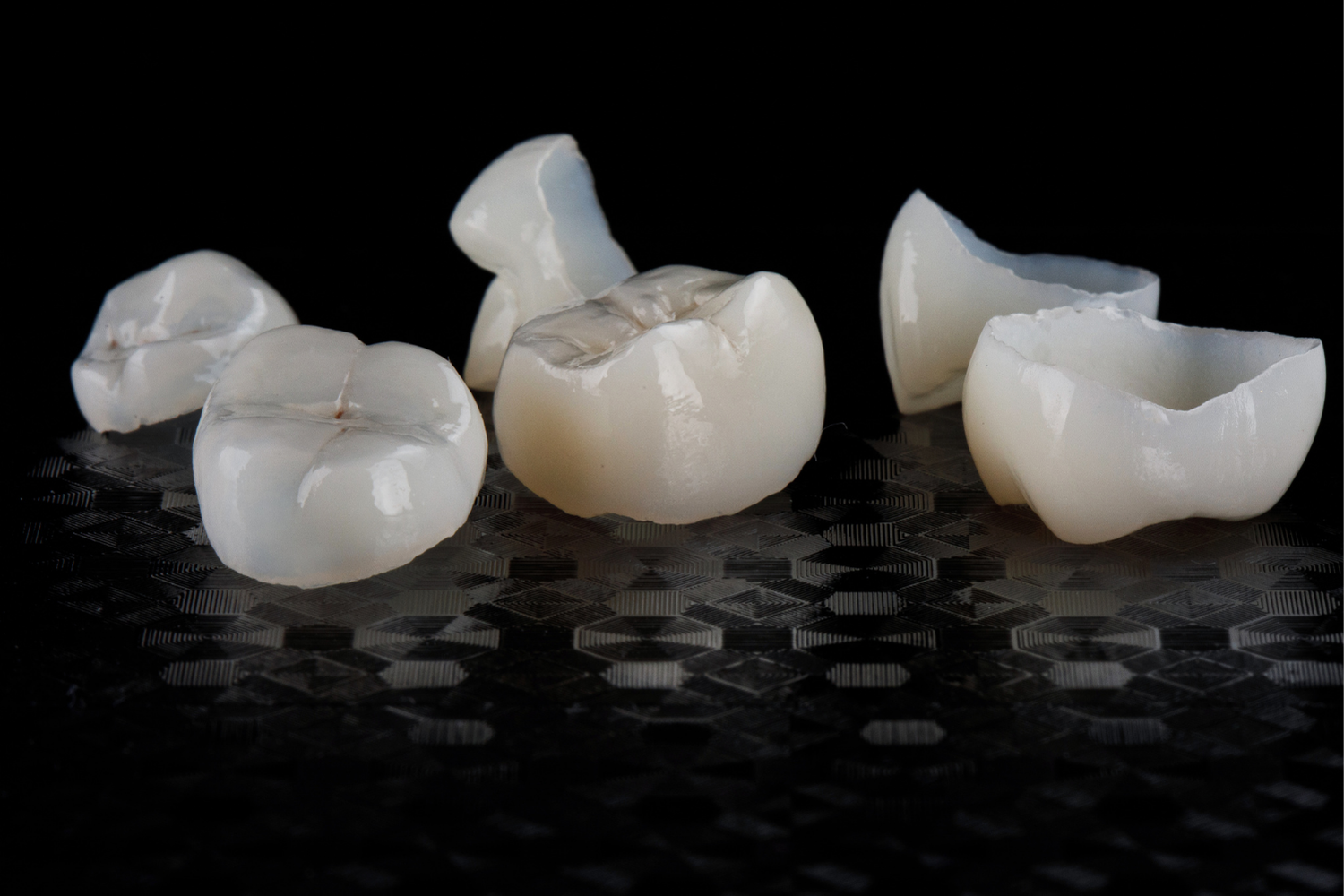
For permanent teeth, root canal treatment for children or teens may be recommended. The affected tissue is removed, the tooth is cleaned and sealed, and a dental crown may sometimes be recommended to protect the restored tooth.
Recovery After Root Canal Treatment
Following child root canal therapy or pulp treatment, your child may experience temporary tenderness or sensitivity as the local anesthetic wears off and the surrounding tissues recover. This discomfort generally improves during the days following treatment.
- Encourage your child to maintain good oral hygiene.
- Avoid hard foods while the treated tooth recovers.
- Have your child avoid extremely hot or cold foods if sensitive.
- Use pain medication only as directed or recommended.
- Follow all post-treatment instructions provided by our team.
- Contact our office if pain, swelling, or other symptoms worsen.
Preserving the tooth can support normal chewing and dental development. If your child has persistent tooth pain or signs of infection, schedule an evaluation with our pediatric dentist.
Frequently Asked Questions
Can children have root canal treatment?
Yes. Children can receive root canal or pulp treatment when decay, infection, or trauma affects the dental pulp. The appropriate procedure depends on whether the affected tooth is a primary or permanent tooth and how extensively the pulp has been affected. Our pediatric dentist will examine the tooth and recommend treatment based on your child's individual needs.
What is a baby tooth root canal called?
Treatment involving the pulp of a baby tooth is generally referred to as pediatric pulp therapy. Depending on the condition of the tooth, treatment may involve a pulpotomy or pulpectomy. A pulpotomy treats affected pulp primarily within the crown of the tooth, while a pulpectomy involves removing pulp tissue from both the crown and root canals.
Why would a baby tooth need pulp therapy?
A baby tooth may require pulp therapy for primary teeth when deep decay, infection, or trauma reaches the dental pulp. Although baby teeth eventually fall out, they are important for chewing, speech, and maintaining appropriate space for permanent teeth. Treating an affected tooth may allow it to remain functional until it is naturally ready to fall out.
Does a child need a crown after pulp therapy?
A dental crown may be recommended after certain types of pediatric pulp therapy, particularly when a tooth has lost substantial structure because of decay or treatment. The crown provides additional coverage and protection for the remaining tooth. Whether your child needs a crown depends on the tooth involved, its condition, and the treatment performed.
What happens if an infected baby tooth is not treated?
An untreated dental infection can progress and potentially cause increasing pain, swelling, or an abscess. Depending on the condition of the tooth, infected baby tooth treatment may involve pulp therapy or extraction. Prompt evaluation allows our pediatric dentist to determine the extent of the problem and recommend an appropriate treatment before the infection progresses.