Dental Crowns for Kids in Palo Alto
Our pediatric dental crowns in Palo Alto protect teeth affected by decay or damage while restoring function and supporting a healthy smile.
Dental Crowns for Children's Teeth
A pediatric dental crown is designed to fit over a tooth that has been significantly decayed, damaged, or cracked. Unlike a filling that repairs a portion of the tooth, a crown provides fuller coverage above the gumline to protect and restore the remaining tooth structure.
Dental crowns for kids may be recommended when a tooth requires more protection than a traditional filling can provide. Depending on the tooth and your child's needs, crown options may include stainless steel crowns for back teeth or tooth-colored materials for more visible areas. A pediatric tooth crown may help:
- Protect a badly decayed baby tooth.
- Restore a cracked or damaged tooth.
- Strengthen a tooth following certain treatments.
- Restore normal chewing and tooth function.
- Protect the remaining natural tooth structure.
Request an Appointment
Other Pediatric Dental Treatments
Along with children's dental crowns, we provide pediatric treatments to prevent dental problems, repair damaged teeth, and maintain your child's oral health.



Types of Dental Crowns for Kids
The type of crown recommended depends on the location of the tooth, the amount of remaining tooth structure, and your child's individual dental needs. Baby tooth crowns are commonly used to restore teeth affected by extensive decay or damage.
Stainless Steel Crowns - Commonly used for primary molars, these crowns provide full coverage and protect weakened teeth.
Tooth-Colored Crowns - These crowns may be used for more visible teeth when a natural-looking appearance is preferred.
Our pediatric dentist will evaluate your child's tooth and discuss which pediatric restorative crown option is appropriate for their needs.
What to Expect During the Treatment
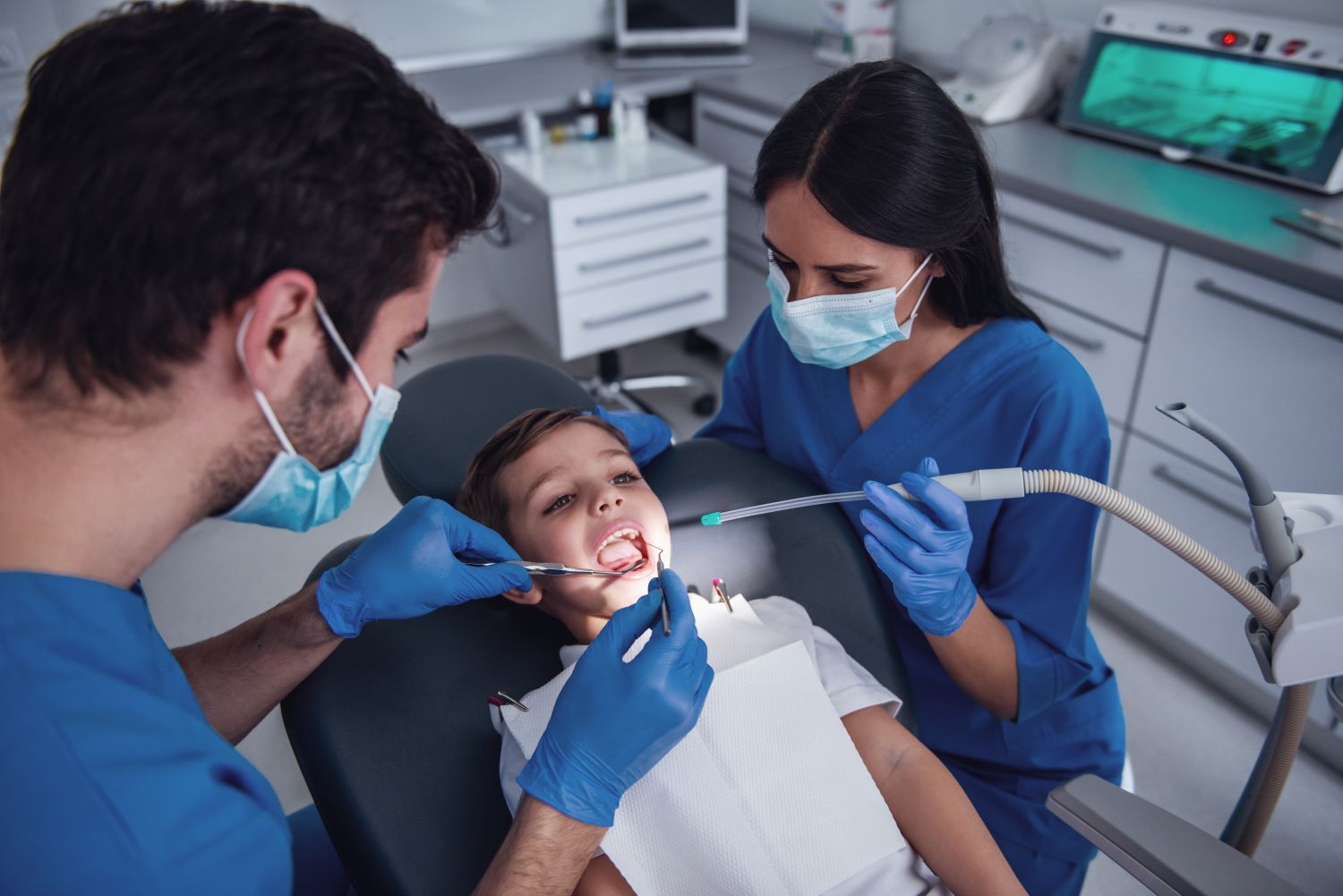
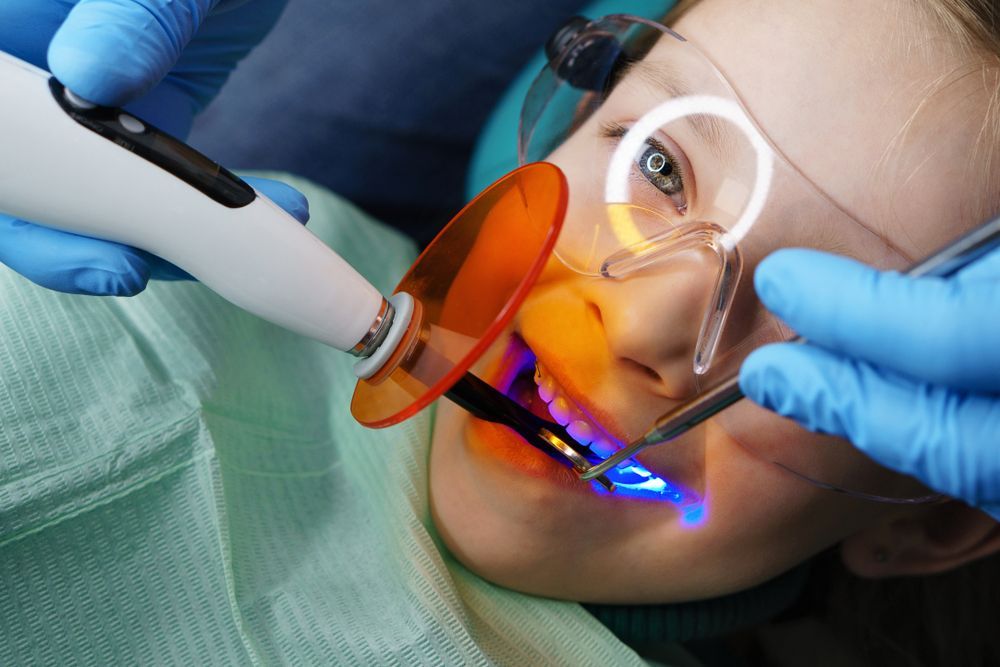
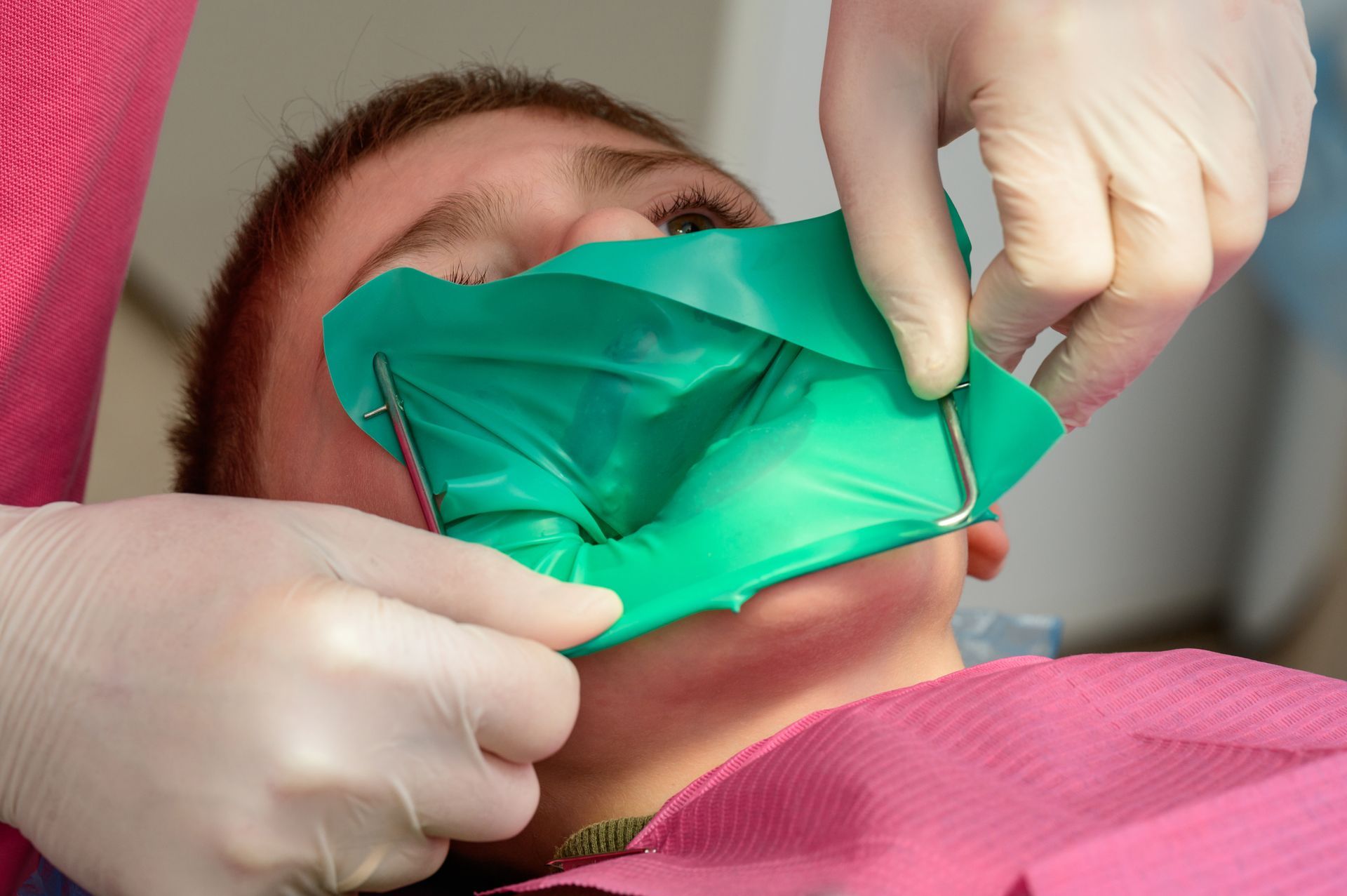
The process for placing a pediatric dental crown depends on the type of crown being used and your child's individual treatment plan. Treatment may involve:
- Numbing the tooth and removing any decay.
- Shaping the tooth to create an appropriate fit.
- Taking an impression when a custom crown is required.
- Placing a temporary crown when necessary.
- Checking the final crown for proper fit and appearance.
- Cementing the crown securely into place.
Certain custom crowns may require multiple appointments, while some dental caps for children, including certain metal crowns, can be completed during a single visit. After treatment, regular brushing and flossing remain important for keeping the tooth, gums, and surrounding areas clean.
Frequently Asked Questions
Why would a child need a dental crown?
A child may need a dental crown when a tooth has extensive decay, significant structural damage, or a crack that cannot be adequately restored with a filling. Dental crowns for kids cover and protect the remaining tooth structure while restoring function. Our pediatric dentist will evaluate the tooth before determining whether a crown is the appropriate treatment.
Do baby teeth need crowns?
Baby teeth may need crowns when they are significantly weakened by decay or damage. Primary teeth play important roles in chewing, speech development, and maintaining space for permanent teeth. Baby tooth crowns can help preserve these functions until the affected primary tooth is naturally ready to fall out.
What types of dental crowns are available for children?
Different crown materials may be available depending on the tooth being restored and your child's needs. Stainless steel crowns for children are commonly used for back teeth, while tooth-colored options may be considered for more visible areas. Our pediatric dentist can explain the advantages of the available materials before treatment.
What is the difference between a filling and a crown for kids?
A dental filling replaces a smaller area of tooth structure that has been damaged by decay, while a crown covers most or all of the visible portion of a weakened tooth. When there is not enough healthy tooth structure to predictably support a filling, a pediatric dental crown may provide greater coverage and protection.
What happens to a crown when the baby tooth falls out?
A crown placed on a primary tooth generally remains attached to that tooth. When the baby tooth naturally becomes loose and falls out as the permanent tooth develops, the crown typically comes out along with it. Our pediatric dentist will monitor your child's primary teeth and permanent tooth eruption during regular dental checkups.