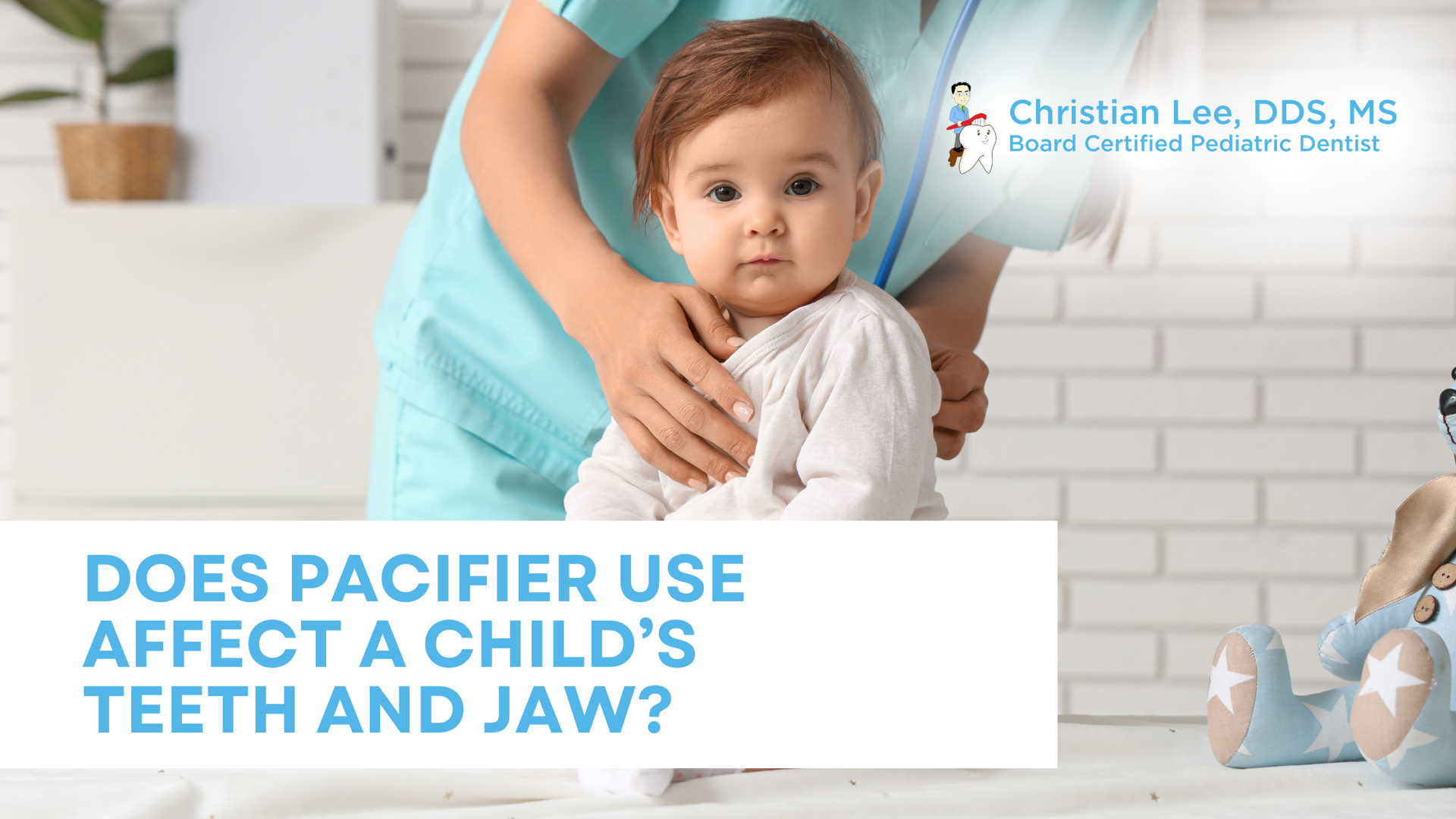
Does Pacifier Use Affect a Child’s Teeth and Jaw?
Source: Dr. Marketing
Pacifiers can provide comfort during infancy, helping babies settle, sleep, and manage periods of fussiness. Many parents rely on them during the early months and later begin to wonder whether regular use could affect their child’s teeth, bite, or jaw development.
The short answer is yes, prolonged pacifier use can influence the shape of a developing mouth. However, the risk depends on how frequently the pacifier is used, how intensely the child sucks, and how long the habit continues. Occasional use during infancy is different from keeping a pacifier in the mouth throughout the day for several years.
Understanding how pacifiers affect oral development can help parents make informed decisions about when and how to begin weaning their child.
How Does a Pacifier Affect a Developing Mouth?
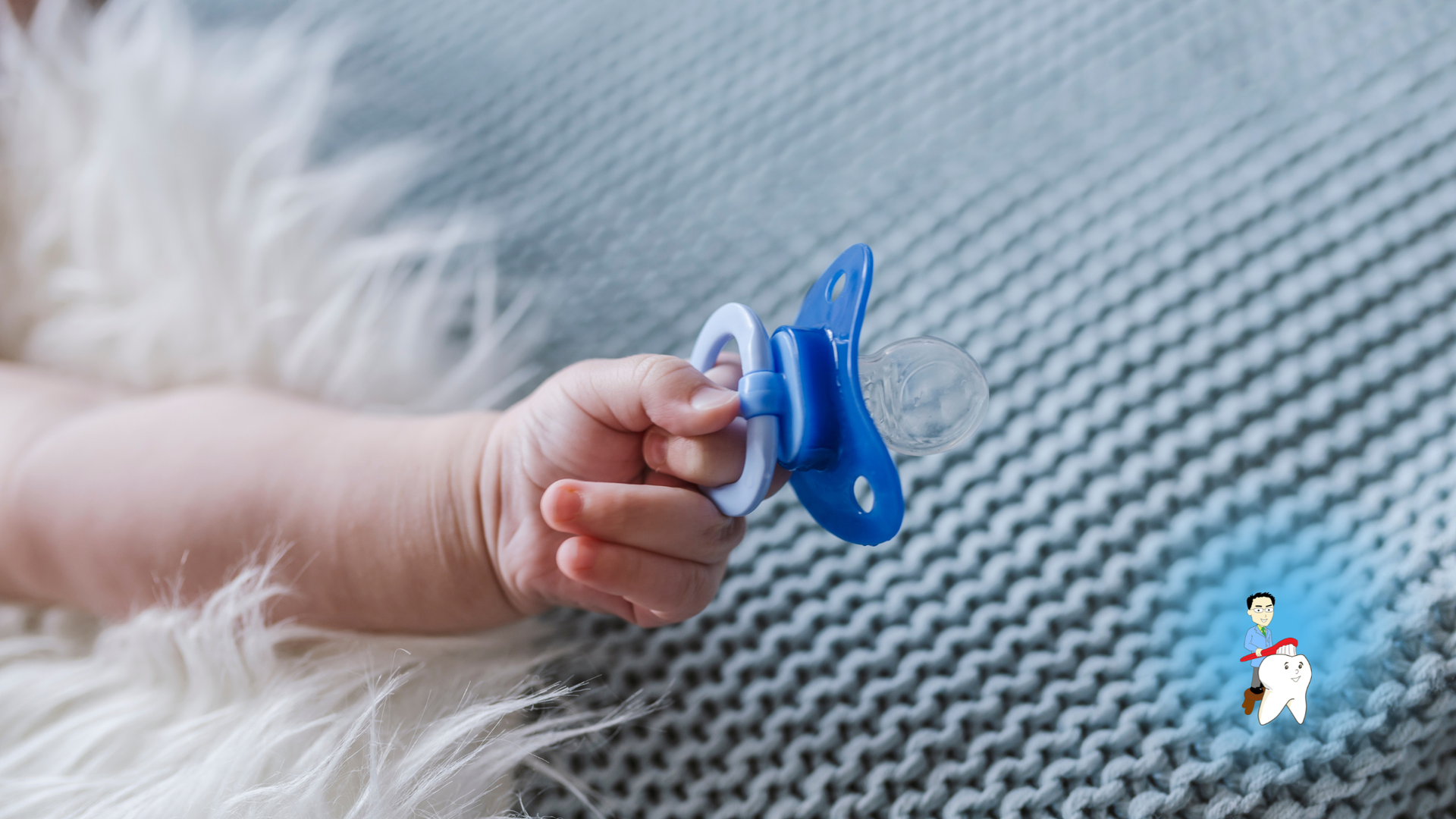
A baby’s mouth is constantly growing and changing. The jawbones are developing, primary teeth are erupting, and the muscles of the lips, cheeks, and tongue are learning to work together.
When a pacifier sits between the upper and lower teeth, it places gentle but repeated pressure on these developing structures. Short-term use during infancy generally does not create lasting changes. However, when the habit continues frequently over an extended period, that repeated pressure may begin to affect how the teeth erupt and how the upper and lower jaws meet. The impact of pacifier use depends on three important factors:
- Frequency: How often the child uses the pacifier
- Duration: How many months or years the habit continues
- Intensity: How strongly the child sucks on the pacifier
A child who uses a pacifier only while falling asleep may experience less pressure than one who keeps it in their mouth for much of the day. Every child also develops differently, which is why routine dental examinations are helpful.
If you have questions about how your child’s pacifier habits may be affecting their developing smile, book an appointment with our team at Christian K. Lee, DDS, MS in Palo Alto for personalized guidance.
What Changes Can Prolonged Pacifier Use Cause?
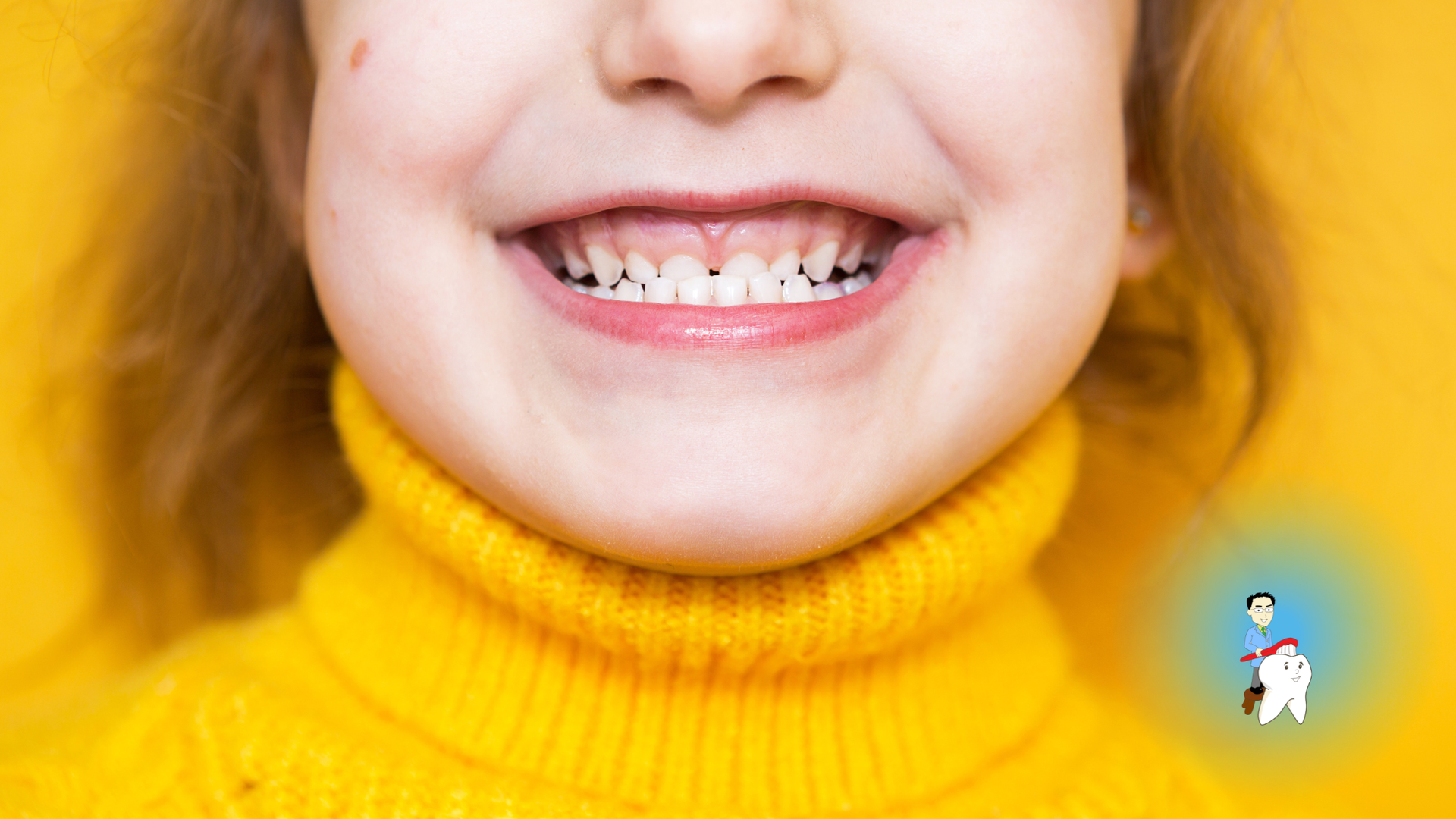
When pacifier use continues beyond the toddler years, parents may notice changes in the position of the primary teeth or the way their child bites. These changes are known as malocclusions, which means the upper and lower teeth do not meet in the expected way.
Anterior Open Bite
An anterior open bite occurs when the back teeth come together, but the upper and lower front teeth do not touch. A visible opening remains between the front teeth when the child closes their mouth.
This may develop when a pacifier repeatedly rests between the front teeth. Depending on its severity, an open bite can affect biting into certain foods, tongue position, or the production of some speech sounds.
Posterior Crossbite
A posterior crossbite occurs when some of the upper back teeth sit inside the lower back teeth rather than slightly outside them. Prolonged sucking may influence the width of the upper arch and contribute to this type of bite relationship.
A crossbite may also cause the jaw to shift toward one side when the child closes their mouth. Early monitoring can help determine whether the bite may improve after the pacifier habit ends or whether additional care could be needed.
Forward Movement of the Upper Front Teeth
Frequent sucking pressure may cause the upper front teeth to tilt forward. At the same time, the lower front teeth may lean inward. This can make the upper teeth appear more prominent and influence how the lips close around them.
According to the American Academy of Pediatric Dentistry, pacifier use beyond 18 months can influence the developing mouth and may contribute to an open bite, posterior crossbite, or other bite changes.
These changes are not always easy to recognize at home. Book your child’s appointment with our team at Christian K. Lee, DDS, MS in Palo Alto so we can evaluate their teeth, bite, and jaw development.
At What Age Should a Child Stop Using a Pacifier?
There is no single date when every child must stop using a pacifier, but timing is important.
The American Academy of Pediatric Dentistry encourages families to discontinue non-nutritive sucking habits by 36 months of age. It also reports that oral changes may begin to develop when regular pacifier use continues beyond 18 months.
This does not mean that every child using a pacifier at 18 months will develop a bite problem. These recommendations provide parents with a general timeline for gradually reducing the habit before it has a greater opportunity to influence oral development. A practical approach may include:
- Reducing daytime pacifier use after the first year
- Reserving the pacifier for naps and bedtime
- Beginning gradual weaning between 18 and 24 months
- Working toward stopping the habit by age three
- Seeking professional guidance if the habit continues beyond age three
The appropriate timeline may vary depending on the child’s emotional needs, developmental stage, pacifier routine, and existing bite.
If you are unsure when or how to begin weaning, schedule a visit with our team at Christian K. Lee, DDS, MS in Palo Alto. We can provide recommendations based on your child’s age and stage of oral development.
Will the Mouth Return to Its Normal Shape After Pacifier Use Stops?
Some pacifier-related changes may improve naturally when the habit ends early enough. A young child’s mouth is still developing, and the teeth may begin shifting toward improved positions once the repeated sucking pressure is removed.
For example, a mild open bite involving primary teeth may begin to close after the child stops using a pacifier. However, natural correction does not happen in every case. The likelihood of improvement depends on the child’s age, the type and severity of the bite change, tongue posture, jaw growth, and whether another sucking habit continues.
Changes may be less likely to correct fully when the habit continues as permanent teeth begin to erupt. This is one reason early monitoring is valuable. The dental team can track development over time and determine whether the bite is improving after the habit ends.
If you have already noticed spacing, forward-leaning teeth, or changes in the way your child bites, book an appointment with our team at Christian K. Lee, DDS, MS in Palo Alto. An early assessment can help determine whether monitoring or additional care is appropriate.
Can Pacifier Use Affect Speech?
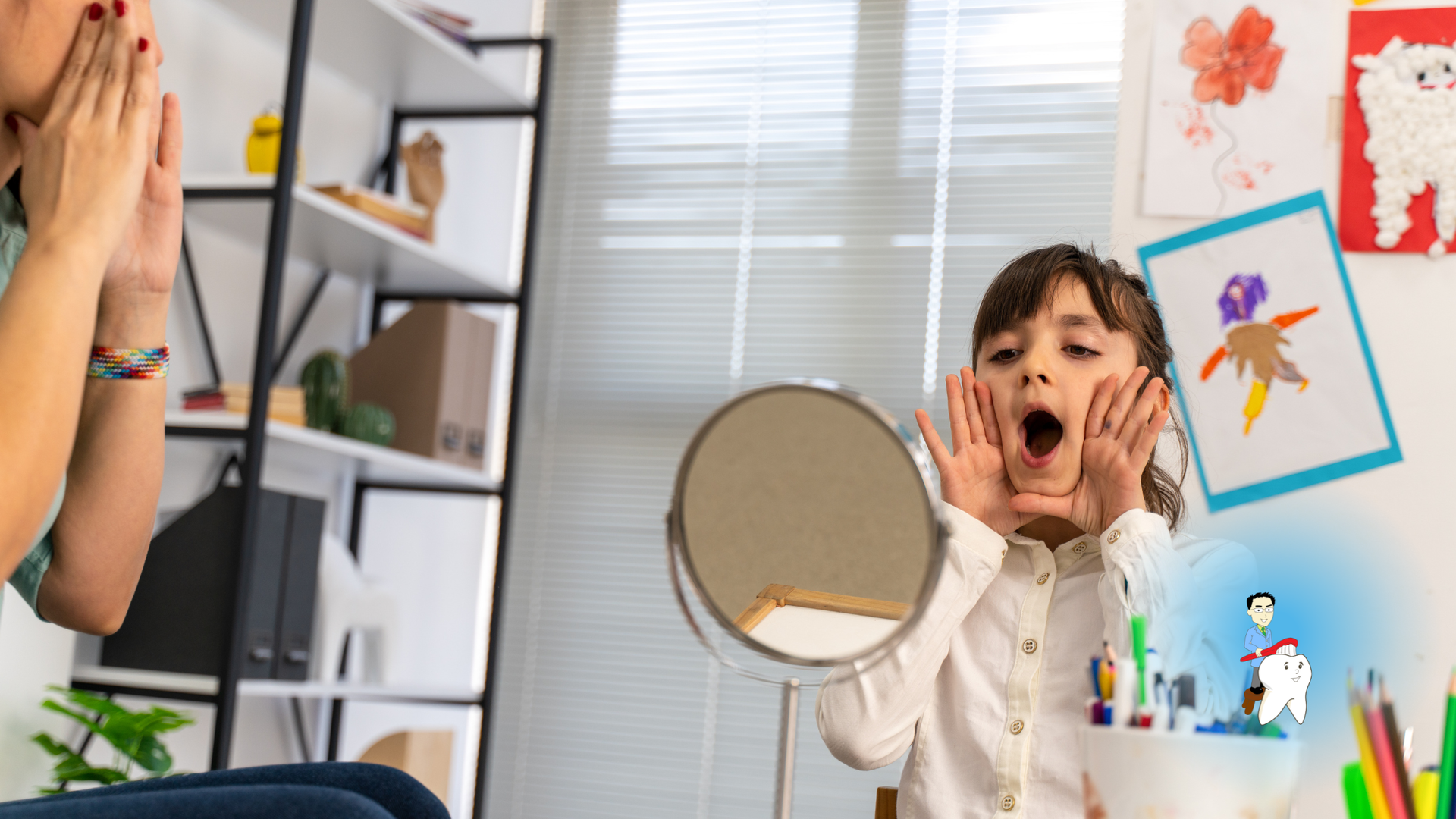
Pacifiers do not automatically cause speech delays, and every child develops communication skills at a different pace. However, frequent daytime use may reduce opportunities for a toddler to babble, imitate sounds, move the tongue freely, and practise words.
Bite changes associated with prolonged sucking may also influence how some sounds are produced. For example, an open bite or altered tongue position may make certain speech sounds more difficult for some children.
Parents can support speech development by removing the pacifier during play, reading, meals, and conversations. This gives the child more opportunities to move their lips and tongue, practise sounds, and communicate clearly.
If you have concerns about speech development, tongue position, or oral movement, speak with your child’s dental professional, pediatrician, or speech-language pathologist.
How Can Parents Help a Child Stop Using a Pacifier?
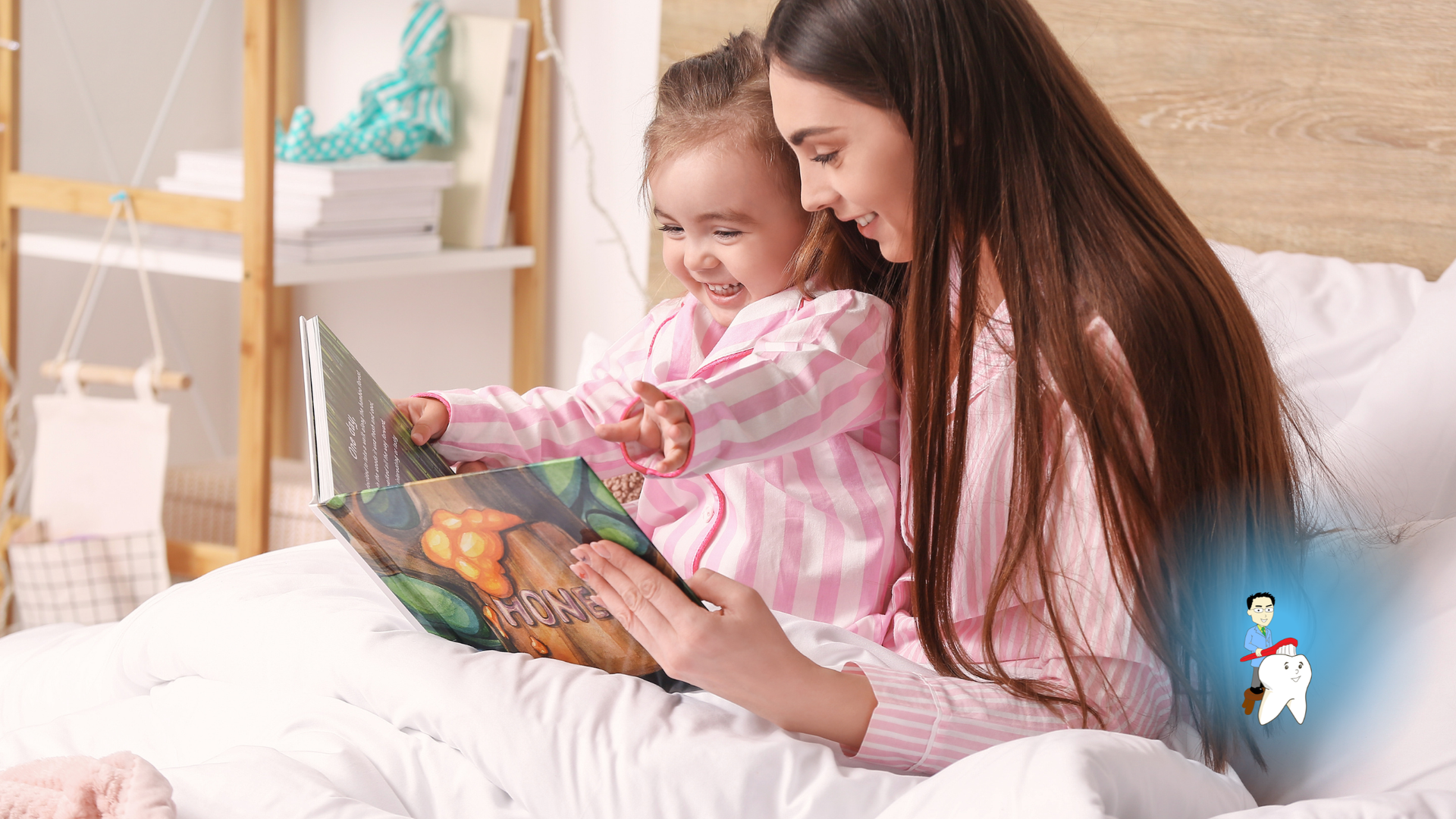
Pacifier weaning is often easier when it happens gradually and without shame. A pacifier may be an important source of comfort, so removing it suddenly can be challenging for some children.
Begin by setting simple limits. Keep the pacifier out of sight during play and reserve it for naps, bedtime, or moments when the child needs extra comfort. Once the child adjusts to reduced use, parents can begin removing it from other parts of the daily routine.
Introduce Other Sources of Comfort
Replace the pacifier with a bedtime story, favourite stuffed animal, calming music, cuddling, or another predictable routine.
Use Positive Encouragement
Praise your child for spending time without the pacifier. A progress chart or small non-food reward can help make the transition feel positive.
Involve Your Child in the Process
Older toddlers may respond well to choosing a date to stop using the pacifier. Some families create a simple farewell routine that allows the child to feel involved in the decision.
Remain Calm and Consistent
Criticism, punishment, or teasing can create stress and make the habit more difficult to stop. If your child asks for the pacifier again, respond calmly and return to the routine you have established.
Parents do not have to manage pacifier weaning alone. Book a visit with our team at Christian K. Lee, DDS, MS in Palo Alto for age-appropriate strategies that support your child’s comfort and oral development.
When Should Your Child’s Bite Be Evaluated?
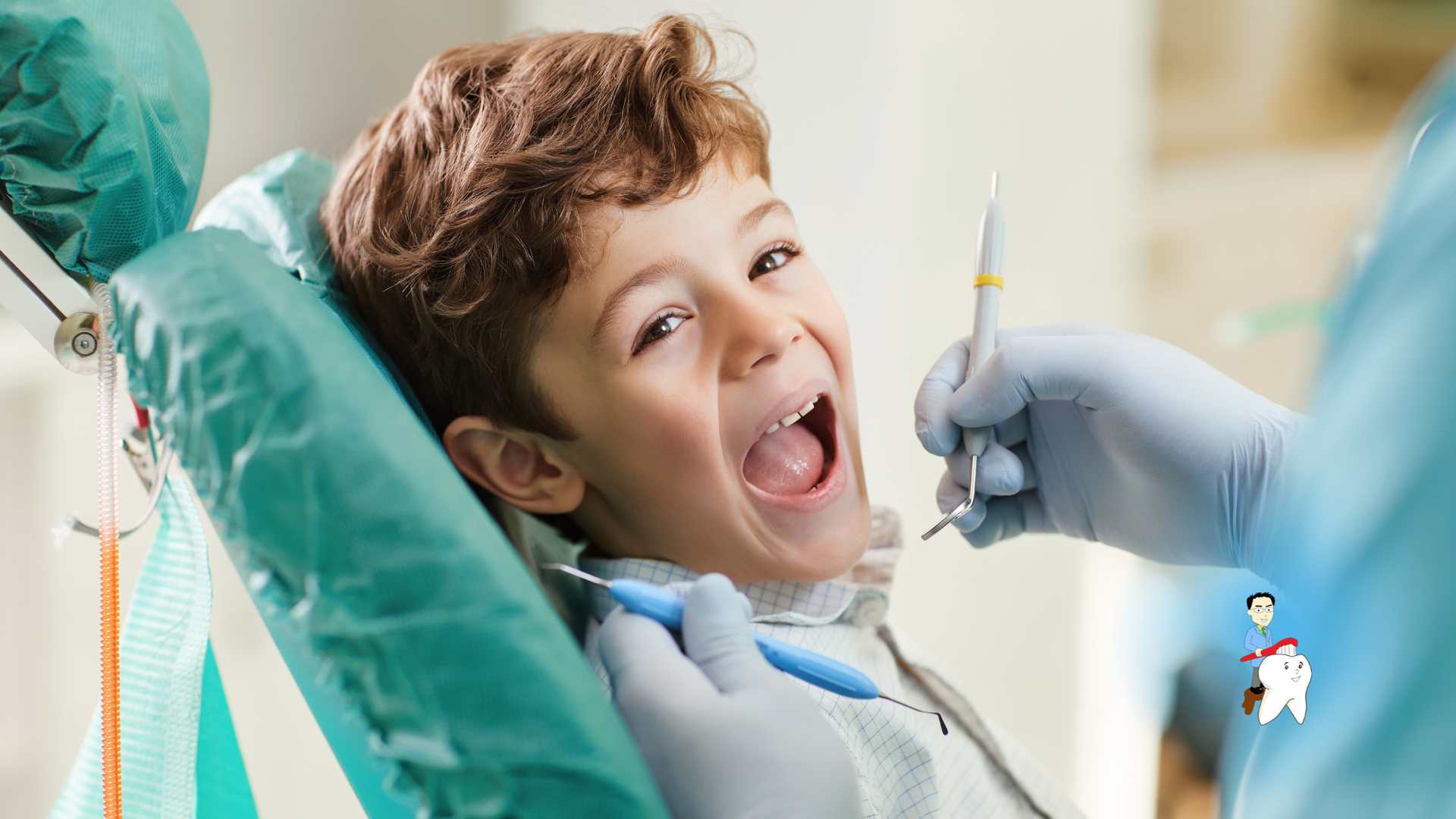
Parents do not need to wait for permanent teeth before discussing pacifier use. Children should have their first dental visit by their first birthday or within six months of the first tooth appearing. Early visits allow the dental team to monitor tooth eruption, jaw growth, oral habits, and preventive care. Consider scheduling an evaluation if you notice:
- A gap between the upper and lower front teeth
- Upper front teeth beginning to lean forward
- A lower jaw that shifts to one side when biting
- Difficulty biting into certain foods
- Continued pacifier use after age three
- Mouth breathing or unusual tongue posture
- Concerns about chewing or speech
These signs do not necessarily mean that orthodontic treatment will be required. An early evaluation provides an opportunity to understand what is developing and whether stopping the habit may allow the bite to improve naturally.
Support Healthy Oral Development from an Early Age
Pacifiers can influence the shape of a child’s mouth when frequent use continues for too long, but parents have time to manage the habit before more significant concerns develop. Limiting daytime use, beginning gradual weaning during the toddler years, and working toward stopping by age three can help reduce the risk of bite changes.
Regular dental visits are equally important. Monitoring the teeth and jaws as they develop makes it easier to identify concerns early and provide guidance suited to the child’s age and needs.
If your child regularly uses a pacifier or you have noticed changes in their teeth or bite, book an appointment with our team at Christian K. Lee, DDS, MS in Palo Alto today. We can answer your questions, evaluate your child’s developing smile, and provide personalized recommendations for healthier oral development.
Share
Recent Posts